



Fleet management is a complex process involving all information associated with vehicles and assets throughout their lifecycle. The role of fleet management extends beyond procurement and maintenance, encompassing areas like:
Compliance
Efficiency
Environmental considerations
Over the past decade, fleet management has undergone a digital transformation, with the best fleet management software and mobile applications playing an important role in enhancing operations management.
Implementing the right fleet management system can lead to higher profit margins, increased fuel efficiency, and improved customer satisfaction.
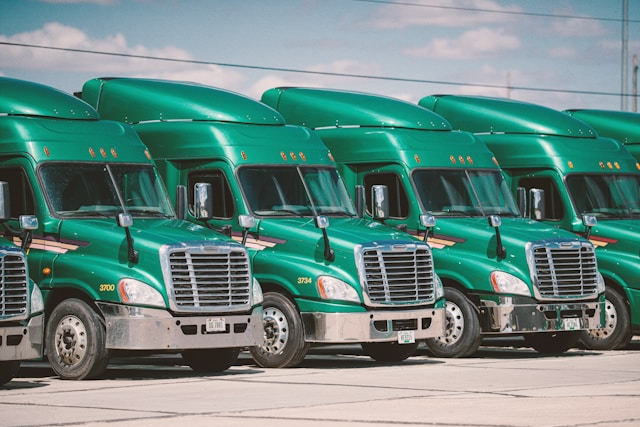
The role of fleet managers has evolved significantly over the years. From a primary focus on the maintenance of mechanical fleet assets, their responsibilities now include financial, analytical, and administrative tasks.
This transformation from hands-on mechanical oversight to supervisory and strategic positions has been greatly influenced by advancements in technology and the integration of comprehensive fleet operation systems.
The advancements in fleet technology during the 1970s and 1980s include:
Standardization of maintenance categorization
Electronic placement of new vehicle orders
Adoption of desktop computers
Direct data access for fleet managers
Electronic new vehicle catalogs
Improved management of vehicle pools
Fleet management systems offer a range of features and benefits, including fleet management tools such as:
Comprehensive maintenance and diagnostic tools for tracking vehicle health and scheduling preventative services
Asset management capabilities that promote efficient utilization of vehicles, inventory, and tools
Advanced fleet analytics features that provide actionable, data-driven insights for management decisions
Customizable reports and tailored dashboards allow you to view exactly what you need when you need it
These features help extend vehicle lifespans, improve driver safety, and enhance overall fleet management.

Fleet management systems can significantly enhance fleet maintenance by enabling the implementation of preventive maintenance schedules and supporting proactive maintenance efforts.
Systems like EMDECS offer features tailored to manage maintenance and work order-related activities, streamlining maintenance protocols.
The implementation of these maintenance tasks by fleet managers maximizes vehicle reliability, assists in meeting delivery deadlines, and leads to fewer vehicle breakdowns, optimizing fleet uptime.
In addition to improving reliability, fleet management software also assists fleet managers in tracking maintenance costs across their fleet, determining optimal timings for maintenance, and planning vehicle replacement.

Preventive maintenance scheduling is a cornerstone of effective fleet management.
Fleet management software helps optimize maintenance schedules by leveraging vehicle usage data and manufacturers’ recommendations to determine appropriate service intervals.
Real-time notifications and alerts ensure that scheduled maintenance tasks are carried out on schedule, minimizing the likelihood of unexpected breakdowns and repairs.
This maintenance is structured through detailed checklists, covering all necessary inspections and maintenance activities.
The use of software in scheduling maintenance supersedes manual methods, introducing more accurate and resource-efficient, maintenance management workflows.
Fleet management software also plays a crucial role in controlling operational costs and enhancing operations’ efficiency.
These systems facilitate a smoother transition from paper systems by providing advanced fleet tracking features including cost tracking, maintenance history, and repair tracking.
The ability to track and analyze various aspects of your fleet can provide several benefits, including:
Vehicle history tracking
Repair status updates
Inventory and parts management
Comprehensive cost analysis
These data points can help you predict maintenance needs and control costs.

Driver safety and vehicle performance are paramount in fleet management.
The power of a fleet management solution paired with telematics can enhance safety by monitoring behavior, alerting fleet managers to unsafe practices, and allowing timely intervention and training.
Fleet management software plus telematics facilitates compliance with legal requirements and overall safety through regular vehicle maintenance and oversight.
These systems also help ensure adherence to regulatory standards and safety protocols by keeping track of driver hours of service, preventing overwork and fatigue.
These tools can guide impactful business decisions by tying driver behavior to company benchmarks relating to safety, optimizing fuel consumption and usage, and maintenance costs.
Additionally, these systems improve fleet performance by providing valuable insights into fuel management and vehicle maintenance, ensuring that fleets operate efficiently and safely.

Monitoring driver behavior is a crucial element of fleet management.
Fleet managers can utilize systems like Global Positioning System (GPS) vehicle tracking devices, dash cameras, and various sensors to gather and transmit data for analysis.
This enables real-time insights into fleet performance, ensuring managers can make informed decisions to enhance safety and efficiency.
GPS tracking provides real-time insights into vehicles’ locations and paths. Another integral feature of these systems is route planning and scheduling, which optimizes dispatch and delivery operations.
By using GPS for route planning, fleet managers can manage fuel consumption more effectively, ensuring that vehicles take the most efficient routes.
This not only reduces fuel costs but also enhances overall fuel management by minimizing idle times and avoiding traffic congestion.
Driver behavior monitoring systems leverage GPS location tracking and map databases to measure the following:
Speeding
Harsh braking
Acceleration
Cornering
This provides fleet managers with the necessary data to assess and enhance safety practices.
Studies indicate that consistent driver coaching leads to behavior modification, with 40% of drivers altering their driving habits after receiving their first safety warning from a monitoring device.
Additionally, fleet tracking and route optimization tools can further improve efficiency and reduce costs by ensuring vehicles are always on the best path.
Whether managing a motor pool or a large fleet, understanding vehicle location in real-time is essential for optimizing performance and ensuring safety.

Real-time feedback and coaching play an integral role in promoting safer driving practices. Incorporating real-time feedback and coaching into fleet and driver management practices is a key strategy for enhancing driver performance.
Immediate communication with drivers about their driving habits results in more cautious and compliant behavior.
Companies that have implemented real-time feedback systems, often through mobile apps and electronic logging devices, have reported reductions in fuel usage, signifying cost savings and environmental benefits.
The adoption of real-time feedback mechanisms contributes to the overall improvement of fleet safety scores, operational efficiencies, and even user ratings.
Fleet managers can leverage these tools to ensure that drivers adhere to best practices, enhancing overall fleet performance and safety.

Selecting the right fleet management system is a critical decision that can have a significant impact on your business operations.
The choice should reflect the size of the business and the type of fleet operations, ensuring the solution is well-suited to handle the particular needs and scale of operations.
To find the right software as a service, fleet management platform, or tool, it is crucial to have a deep understanding of your business needs.
This understanding will help you make an informed decision that aligns with your specific requirements. The choice should reflect the current size of the fleet while also being adaptable to future growth.
Fleet managers should also consider customer support clarity and comfort with support mode, as these play significant roles in the selection process.
Evaluating various fleet management solutions and their features can guide you in making the best choice for your business.

Performing a thorough analysis of your business’s particular requirements, including fleet size, is essential to determine the necessary level of detail and features in a fleet management system.
This step is crucial in ensuring that the selected system can meet your needs and efficiently handle your operations.
In addition to understanding your fleet’s size and needs, considering factors such as the technology infrastructure, budget, and long-term business goals is also important.
These considerations can guide your decision, ensuring that the chosen fleet management software fits seamlessly into your business model and supports your growth objectives.
Features and pricing are critical factors to consider when selecting the best fleet management software and solution. Setting a budget limit is crucial to ensure that costs are managed effectively.
The fleet management software cost is influenced by the size of the fleet and the number of assets being tracked.
It’s also important to evaluate the features of the software and ensure they align with your business needs. Reviews from real software users can highlight top-rated Fleet Management Software products, providing useful insights for system evaluation.

Among numerous fleet management solutions, EMDECS stands out as a comprehensive offering.
Developed by BrightOrder, EMDECS is a cloud-based fleet maintenance and management software that caters to a broad range of heavy-duty vehicles and fleets, including:
Trucks and trailers
Specialized equipment
and more
Redesigned in 2012 with modern web technologies, EMDECS boasts a process-driven design that enhances user experience, featuring an interface known for its simplicity and effectiveness in managing operations.
EMDECS’s unique features include scalability to accommodate business growth, best-in-class North American-based customer service, and comprehensive data reporting and analysis capabilities for informed decision-making.
With such a flexible set of features and tools, EMDECS is well-suited to handle the particular needs and scale of various industry sectors.
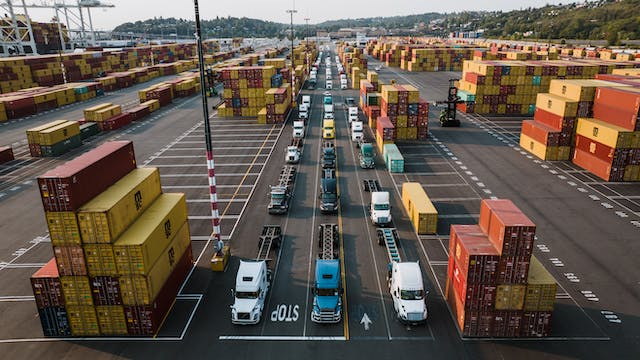
One of the standout features of EMDECS is its scalability. The system supports various business sizes, scaling from:
small family-run operations
medium-sized businesses
large corporations
the largest LTL fleet in the world
The platform’s customizability and scalability are central to its design, ensuring it can adapt to evolving business requirements over time.
EMDECS’s cloud-based platform and mobility provide the following benefits:
Flexibility to monitor fleets from anywhere, on any device
Accommodation of any number of technicians’ and administrators’ licenses, making it a perfect fit for business growth and expansion
Multiple integration options and financial modules, allow customization to suit the particular challenges and objectives of different fleets.

Customer service is a key differentiator for EMDECS. BrightOrder provides a dedicated North America-based customer service team for EMDECS, focusing on:
Building personal client relationships
Offering timely assistance
Providing support 24/7/365
Ensuring issues are resolved quickly and efficiently.
Client feedback has consistently praised the EMDECS customer support for providing prompt, effective, and comfortable service experiences. The commitment to best-in-class customer service has made EMDECS a reliable and trusted choice for fleet management.
Data reporting and analysis are critical to effective fleet management. EMDECS provides advanced analytics capabilities for thorough analysis and reporting on fleet performance metrics.
Fleet managers can leverage EMDECS’s customizable dashboards for real-time monitoring and decision-making, centralizing data analysis for improved efficiency.
Scheduled and automated reporting in EMDECS allows for consistent operational insights into aspects such as technician hours and accounting.

In conclusion, fleet management systems are a vital tool in a rapidly changing business environment.
They offer a range of benefits, from optimizing fleet maintenance and enhancing overall safety to improving operational efficiency and compliance.
Fleet management software plays a crucial role in these systems, ensuring seamless integration and functionality.
When selecting a fleet management system, considerations such as business needs, fleet size, features, and pricing are crucial to ensure a well-suited solution.
With the right system in place, businesses can streamline their operations, cut costs, and drive growth.
A fleet management system is a set of processes that helps organizations manage vehicle and asset information throughout their lifecycle.
A fleet management system can enhance fleet maintenance by supporting proactive maintenance, optimizing maintenance schedules, and enabling cost control and efficiency. It’s an effective way to streamline and improve maintenance processes.
EMDECS is a cloud-based fleet maintenance and management software developed by BrightOrder, offering scalability, best-in-class customer service, and comprehensive data reporting and analysis capabilities.
Implementing fleet management systems can boost driver safety through behavior monitoring, dispatch management, alerts for unsafe practices, intervention and training, and ensuring compliance with safety standards and protocols.
In addition, these systems can be used with telematics devices such as Global Positioning System (GPS) technology for fleet tracking and vehicle tracking, providing real-time insights that enhance route optimization and overall safety.
When selecting a fleet management system, consider factors such as the size and needs of your business, type of operations, budget, and the features and pricing of the system. These factors will help you make an informed decision.
To stay updated on news about BrightOrder and the latest in fleet management systems, be sure to follow us on LinkedIn.