


This daily report, that a driver completes serves as a thorough assessment of a vehicle’s condition before and after a trip, ensuring all safety concerns or faults are identified and rectified promptly.
The significance of Driver vehicle inspection report plays a pivotal role in advancing road safety in commercial motor vehicle operations by:
A comprehensive DVIR includes a meticulous examination of key vehicle components, including:
Everything is scrutinized for any signs of wear, damage, or defects and such thorough inspection ensures compliance with DVIR regulations and contributes to the overall safety of the vehicle and its following operators.
The DVIR process also requires detailed record-keeping of potential issues identified during the inspection.
Areas such as:
often require more attention, underscoring the need for thorough post-trip inspections and being prepared for potential roadside inspections.
The driver’s signature on vehicle inspections serves as a formal acknowledgement that the inspection reports have been carried out following legal requirements.
Therefore, the repair verification process is integral to vehicle inspections, as it keeps truck drivers informed about the vehicle’s condition and enables them to identify safety issues and take the necessary measures.

Executing a vehicle inspection report (DVIR) is a considerable task that demands a systematic approach and detailed attention.
The vehicle inspection process encompasses verifying identification details, conducting a physical inspection of the commercial motor vehicle, and inspecting for concealed damages.
Drivers are tasked with performing the vehicle inspection and are required to give attention to all sections of the commercial vehicle.
The process for recording and communicating vehicle inspection results includes establishing a formal record of the commercial vehicles’ conditions and verifying the completion of inspections.
Nonetheless, it should be noted that there are specific exceptions to DVIR rules and vehicle inspection requirements within North American regulations.
Truck drivers involved in interstate commerce are exempt from vehicle inspection regulations, except for private motor carriers of passengers and tow-away truck operations.
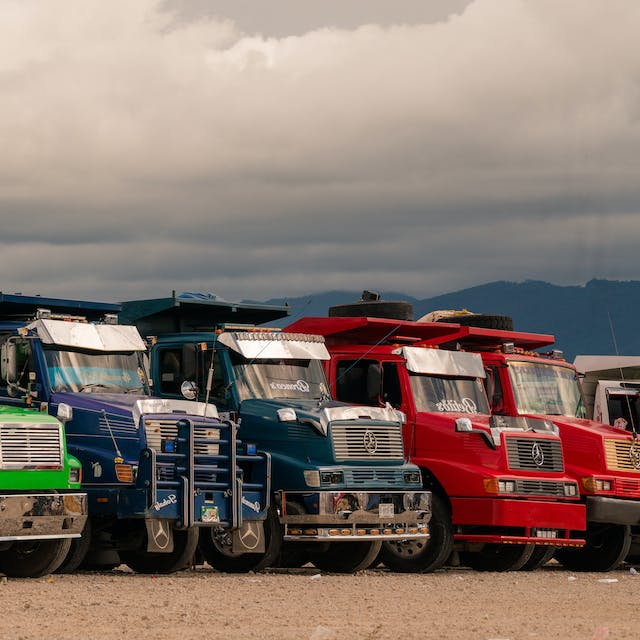
So, which commercial vehicles are subject to DVIR in North America?
All Commercial Motor Vehicles (CMVs) with a Gross Vehicle Weight Rating (GVWR) of 10,001 pounds or more fall under this category and will require a roadside inspection report.
Additionally, passenger-carrying vehicles of 8 or more occupants, including the driver, for compensation, or 15 or more occupants, including the driver, not for compensation, are also required to adhere to DVIR regulations as per North American standards.
Fleet managers and drivers need to comprehend the types of vehicles that fall under DVIR within North America to comply with regulatory requirements and uphold the highest safety standards.
The frequency of inspections is a crucial element of DVIR compliance.
As per the U.S. Federal Motor Carrier Safety Regulations (FMCSR) 49 CFR 396.11, commercial motor vehicle drivers in the United States must complete a DVIR at the end of each workday if a defect or deficiency is discovered.
Although Canadian regulations are similar, they are governed by the National Safety Code (NSC) Standard 13, which may have specific variations from U.S. Federal Motor Carrier Safety Regulations.
Thus, fleet managers in North America need to stay updated on both U.S. and Canadian guidelines to ensure their drivers are conducting roadside inspections as required by the relevant authorities in their respective countries.
As a fleet manager, you bear the responsibility of ensuring compliance with DVIR requirements, meeting federal law legal requirements, being able to identify safety issues, and overall fostering a culture of safety and accountability for both your team and your commercial motor vehicles.
Staying informed about DVIR regulations for your commercial motor vehicles and implementing appropriate procedures across operations are key to achieving this.
It is crucial to provide comprehensive driver training that goes beyond mere regulation compliance, implement DVIR checklists, and conduct regular audits to ensure prompt and accurate completion of all inspection reports.
Remember, non-compliance with DVIR requirements can lead to hefty fines, and in some cases, may even result in the suspension of fleet operation permits, so it’s important to ensure strict adherence.

Prompt and corrective action of unsafe or missing equipment and other defects on your vehicle signifies compliance and dedication to safety for your truck driver and fleet.
It’s worth noting that neglecting corrective action on DVIR defects can result in daily fines, substantial penalties, and extra expenses for delayed repairs of reported defects.
Typically, reporting defects in the DVIR process involves a detailed documentation routine, where the following elements need to be meticulously recorded in the DVIR form:
After the documentation, these defects are usually communicated to maintenance personnel through traditional channels, which can be time-consuming and prone to miscommunication.
However, EMDECS revolutionizes this process with its innovative service board feature.
Reminiscent of an airport flight information display system, the EMDECS service board provides real-time updates on the status of your fleet’s repairs.
At a glance, fleet managers can determine if a vehicle is in the queue for service, undergoing maintenance, or ready for operation; this modern approach to defect reporting and repair monitoring with EMDECS streamlines the process and improves the overall efficiency and safety of your commercial fleet operations.
Once defects have been reported, the next step is repair verification and certification.
This process includes verifying the repairs and then certifying the completion of corrective actions on the DVIR form or an electronic system such as the EMDECS driver portal.
Both mechanics and drivers play vital roles in this process, with mechanics ensuring the proper resolution of vehicle defects and drivers certifying that a vehicle defect has been corrected during a pre-trip inspection.
Nonetheless, it is crucial to consider that failure to accurately verify and certify vehicle repairs in a DVIR can result in substantial legal consequences, including civil penalties and hefty fines.

Electronic DVIRs improve record-keeping by simplifying the identification and rectification of issues, bolstering safety and efficiency in logistics operations, and fostering safety consciousness within the team.
An Electronic DVIR comes with many benefits that make it an attractive option for fleet managers.
Digital documentation provides a dependable and readily available record of all inspections and maintenance activities, which can be especially beneficial for demonstrating compliance during audits and for conducting historical data analysis.
By utilizing digital DVIR, inspection accuracy can be significantly improved by employing a standardized checklist. Additionally, electronic DVIR minimizes the likelihood of overlooking any items during the inspection process.
This capability allows for preventive maintenance, potentially avoiding more severe problems in the future.
EMDECS can significantly streamline the post-trip inspection process, providing drivers and fleet managers with a powerful tool to ensure thorough and efficient vehicle checks.
The real-time data capture capability of EMDECS means that any issues identified during the post-trip inspection can be immediately flagged for maintenance and communicated through the driver defect portal.
This prompt reporting minimizes downtime and helps to keep vehicles in optimal condition and EMDECS’s analytics can help identify recurring issues, allowing for better preventative maintenance strategies.
By integrating EMDECS into the post-trip inspection process, fleets can benefit from improved accuracy, reduced risk of human error, and enhanced compliance with safety regulations.
The result is a safer fleet, more up-time for vehicles, and ultimately, a more profitable operation.

Selecting the appropriate electronic DVIR solution is a vital decision that can profoundly influence your fleet’s safety and compliance.
Factors such as customization and ease of use should be considered.
One such comprehensive solution is EMDECS, which offers:
With its ability to integrate seamlessly with existing systems, EMDECS ensures a smooth transition to electronic DVIR for any fleet.
Developing effective DVIR training programs for drivers is crucial to ensure compliance.
This involves:
Essential topics that should be incorporated into DVIR compliance training include:
When it comes to training drivers on DVIR compliance, certain topics stand out. These include:
Apart from these, understanding the importance of repair verification and the procedures involved can help drivers take proactive steps to maintain the safety of their vehicles.
Regular refresher courses and updates on regulatory changes are important to help drivers stay updated and maintain compliance with DVIR regulations.
Moreover, providing support and resources such as streamlined inspection procedures, comprehension of inspection objectives, and utilization of electronic DVIR solutions can greatly assist drivers in upholding DVIR compliance.

To sum it all up, the DVIR plays a crucial role in ensuring the safety and compliance of commercial vehicle operations.
It’s crucial to understand the key components and inspection process, navigate regulations, and address defects and repairs to maintain a safe and compliant fleet.
Automating the process through electronic DVIR can bring about improved efficiency and accuracy, while ongoing training ensures that drivers stay updated and adhere to regulations.
Ultimately, the goal is to foster a culture of safety and accountability among drivers, contributing to safer roads for everyone.
DVIR stands for Driver Vehicle Inspection Report.
Yes, it is a legal requirement for drivers to undertake daily vehicle inspections, as it falls under the employer’s duty of care responsibilities for work vehicles, regardless of their weight.
A fleet inspection is a cost-saving and safety-conscious initiative that helps protect your company’s reputation and bottom line by reducing unscheduled maintenance costs.
The vehicle driver is responsible for performing the DVIR in a commercial vehicle.
Commercial vehicles subject to DVIR include those with a GVWR of 10,001 pounds or more, and vehicles designed to transport 8 or more occupants, including the driver. Meeting these criteria means the vehicles are required to adhere to DVIR regulations.
To stay updated on BrightOrder and to learn more about the Drover Vehicle Inspection Report, be sure to follow us on LinkedIn.