



Understanding fleet management costs is similar to having a grasp on the heartbeat of your business operations.
Fleet costs encompass the total expenses tied to owning, operating, and maintaining your fleet of vehicles, the monthly cost of which has risen to over $3 per mile driven due to recent inflation issues.
The heart of these fleet costs lies in the Total Cost of Ownership (TCO), a pivotal factor in comprehending fleet costs and optimizing your fleet budget to strike a balance between minimizing operating costs and maximizing vehicle value and vehicle performance itself.
This is where a thorough fleet management cost analysis becomes vital, acting as the first stepping stone towards effective cost management. Some key areas to consider when analyzing fleet management costs include:
By closely analyzing and keeping track of these operational costs, fleet managers can pinpoint potential improvements for the fleet budget and devise effective strategies to trim down expenses while enhancing the efficiency of fleet operations.
BrightOrder’s fleet managing software, EMDECS, provides core portals and modules like asset management, cost analysis, and expense tracking for an accurate fleet management cost analysis that will then empower data-driven decisions, pinpoint areas of overspending, and drive cost reduction efforts.
Fleet managers can have a lot on their plate to keep track of and thus require a robust reporting system like EMDECS to collect data and stay informed on key analytics.
EMDECS offers a wide array of reporting features that allow fleet managers to generate, view, analyze, and share reports like repair orders, technician hours, operating costs, invoicing, fleet and inventory tracking, and overall fleet management.
With EMDECS’s comprehensive reporting capabilities, you can scrutinize your data to refine your operational expenses and uncover innovative financial strategies and
Grasping the distinction between fixed and variable costs is essential when diving into fleet costs, particularly for understanding the Total Cost of Ownership.
Fixed costs in fleet management, such as vehicle purchase price, insurance, licenses, permits, and depreciation, are expenses that remain constant regardless of the business volume and are predictable over time.
On the other hand, variable costs, including part replacement, tolls, parking, and detailing, fluctuate based on vehicle usage and condition.
There are also semi-variable costs like maintenance, which may be fixed up to a certain point but then vary with the extent of vehicle usage.
Much like a ship’s captain steering through a storm, fleet managers need to identify areas of higher costs and navigate the significant cost drivers in fleet operations.
In the current economic landscape, fleet managers are grappling with challenges like the unpredictability of the global supply chain, scarcity of skilled labor, and surging inflation rates.
Specifically, the automotive industry is feeling the pinch of labor shortages, which in turn has driven up the costs at repair facilities.
Other variable costs encompass:
These costs can accumulate and drive up overall expenses. By calculating the cost-per-mile, fleet managers can get a granular view of fleet expenses and highlight cost drivers to potentially reduce costs and save money.
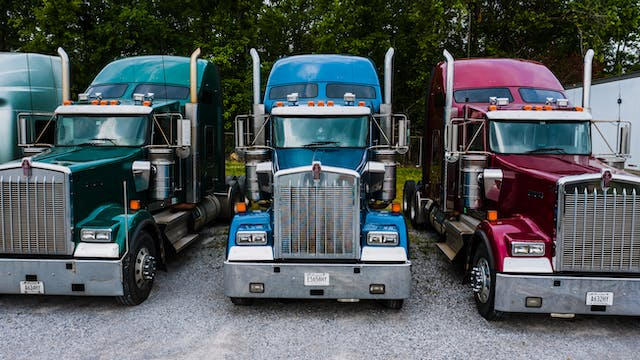
Route optimization serves as a compass for your entire fleet, guiding it toward the most efficient paths and potentially saving up to 20% on fuel costs by minimizing the distance traveled.
Streamlining routes using telematics, such as GPS navigation, to eliminate empty miles can significantly reduce fuel burned, For instance, a mere 1% decrease in empty miles for one truck can save over 100 gallons of fuel.
By leveraging optimization tools for effective route management, data is gathered which can also diminish the necessity for more vehicles or additional drivers, thereby optimizing resource utilization.

In the grand scheme of fleet operations, the integration of fleet telematics systems stands out as a transformative move.
Addiotionally, embedding telematics within your fleet can translate into informed choices, slashing expenses, and elevating the productivity and effectiveness of the entire fleet.
Telematics tools can significantly reduce fuel expenditure by helping to minimize unnecessary idling, which can save up to half a gallon of fuel per hour.
BrightOrder offers a suite of Telematics Devices, including Electronic Logging Devices (ELDs), GPS Devices, Dash Cameras, External Truck Cameras, and Tracking Devices with Geofencing capabilities.
This comprehensive approach ensures that fleet managers and owners have access to real-time data and insights to optimize their operations.
Determining the Total Cost of Ownership (TCO) is essential for making data-driven decisions about vehicle replacement, acquisition, and overall fleet management.
The decision between buying, leasing, or renting fleet vehicles impacts the fleet’s TCO and can affect the entire fleet’s financial balance.
External factors like the chip shortage extend vehicle delivery times, affect acquisition costs, and impact the rate of vehicle depreciation, necessitating strategic timing for fleet vehicle disposal.
Determining when to replace fleet vehicles involves assessing whether the potential sale value can offset a significant portion of the cost of a new vehicle.
Considering the value of vehicles in terms of their mileage, condition, and potential repair costs is crucial when deciding on the optimal timing for fleet vehicle replacement.
Utilizing EMDECS fleet management software can greatly assist in making these assessments by providing detailed reports and analytics on each vehicle’s performance and maintenance history.

Total cost of ownership (TCO) is a critical metric for selecting fleet vehicles, encompassing fixed costs like licenses and vehicle purchase price and variable costs such as fuel and maintenance.
It’s also crucial to evaluate whether there is a market for the types of previously owned vehicles a company uses, which will affect resale value and overall fleet expenses.
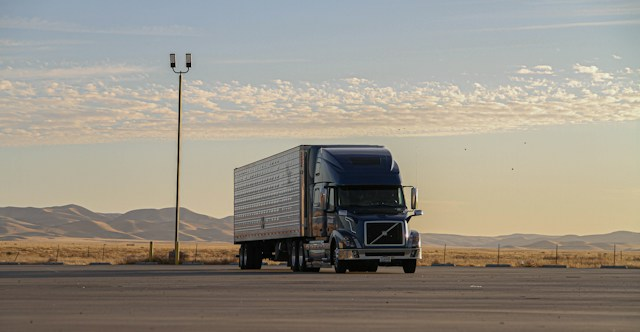
Fuel can impose a considerable burden on your fleet’s finances, but, with the right strategies, it’s possible to decrease fuel expenses and boost fuel efficiency.
Fuel costs change based on the number of miles driven and vary with fluctuating fuel price which makes it the most significant variable cost in fleet management.
Regular preventive maintenance such as oil changes and tune-ups can significantly improve vehicle efficiency.
Additionally, transitioning the fleet to electric vehicles or alternative fuels like biodiesel can lead to substantial fuel cost reductions while also helping to adhere to emissions regulations.
Monitoring fuel purchases and usage patterns is a critical component in the quest to slash fleet management expenditures.
Some Telematics services enable the monitoring of fuel consumption and idle times in vehicles, providing data that can be used for implementing policy adjustments and driver coaching to optimize routes and reduce fuel costs.
Using software to track fuel expenses over time offers valuable insights into fuel economy and facilitates the development of cost-effective fuel reduction strategies.
Adopting fuel-efficient technologies can give your fleet a boost in performance. Exploring alternative fuels may also provide long-term benefits by reducing fuel costs and minimizing environmental impact.
Technologies that can increase fuel economy include:
The delicate balance between maintenance costs and vehicle uptime is a key factor in fleet management.
Proactive maintenance anticipates potential issues, averting costly repairs, reducing the need for emergency repairs, and minimizing expenses like labor and premium charges for fast-tracked parts delivery.
Regular preventive maintenance such as oil changes and tune-ups can significantly reduce costs and improve vehicle efficiency.

Proactive maintenance is crucial for controlling costs in fleet management, especially as vehicles age.
Regular maintenance schedules are central to keeping fleet vehicles in optimal condition and preventing potential breakdowns and with EMDECS, you can track the health of your fleet and units by setting up and scheduling Services with the PM Scheduling Manager.
EMDECS offers:
These features enable businesses to effectively manage their maintenance operations and ensure that equipment and other assets used are properly maintained.
https://www.youtube.com/watch?v=U6_hvZ3YnrI&t=58s
Educating drivers for preventative care is as important as providing them with suitable vehicles. Comprehensive driver training programs emphasize safe driving, fuel-efficient techniques, and proper vehicle maintenance, which all impact fleet costs.
Reducing harsh driving habits through training and monitoring can decrease vehicle wear and tear, leading to improved conditions and disposal value, while also saving on maintenance expenses.
By utilizing our fleet management software, EMDECS can help streamline administrative tasks such as vehicle registration, fuel card management, invoicing, and driver expense tracking, which saves time and reduces operational expenses.
EMDECS provides comprehensive insights that empower businesses to make informed decisions, optimize maintenance schedules, and maximize the lifespan of their assets.
EMDECS offers modules, user portals, and integrations tailored to the specific needs of your operations.
EMDECS modules includes:
Our fleet management software streamlines administrative tasks and reduces your operational costs and expenses, leading to significant cost savings.
Aligning fleet composition with business operations prevents negative impacts on cash flow and the specifications and size of a fleet should be tailored to the unique needs of a company’s business model, considering factors like fuel prices and driving distance.

Creating an effective fleet management budget necessitates setting clear goals and objectives, which include:
The process of creating a fleet management budget involves the following:
In fleet management budgeting, forecasting and effectively allocating resources by tracking and understanding recurring monthly costs is crucial to making informed decisions and adjustments to the fleet management budget.
Allocating financial resources adequately to each of these key line items ensures that all aspects of fleet operations and routine maintenance are covered without overspending.
Continuously monitoring and making adjustments to maintain a flexible and efficient fleet management budget by regular review of fleet metrics against goals and historical data is critical for staying within the budget.
Real-time tracking of expenses using fleet management software is important for regularly generating reports and facilitating cost-efficient adjustments.
Understanding fleet management costs, smart vehicle acquisition and disposal, reducing fuel expenses, balancing costs with vehicle uptime, and leveraging EMDECS for cost savings – plays a crucial role in shaping your fleet’s performance.
As we wrap up our journey, it’s clear that effective fleet management is a complex dance of cost control, strategic planning, and smart decision-making – gear up, and drive your fleet toward a future of lower cost, efficiency, and productivity.
Ready to get started with EMDECS? Sign up for a demo today and witness the difference firsthand!
Fleet management software streamlines operations and enhances cost-effectiveness by leveraging technology and data analysis. It optimizes fuel consumption, improves fleet safety, and minimizes outlays for fuel, insurance, and maintenance. The integration of such software can lead to substantial cost reductions across the board.
To economize on fleet upkeep, streamline your parts inventory by keeping a ready supply of frequently used components and reducing stockpiles of seldom-needed or outdated items.
Consider the adoption of GPS tracking technology, optimizing the use of your vehicle fleet by reducing numbers where possible, selecting the most efficient routes, enhancing parts and maintenance operations for smarter fuel consumption, and timely replacement of older vehicles. These strategies are instrumental in curtailing maintenance expenses and boosting operational efficiency.
Enhancing fleet management safety and reducing related maintenance costs and insurance premiums can be achieved by implementing best practices such as conducting regular vehicle inspections, providing driver training programs, and utilizing telematics technology to monitor driver behavior.
Fleet operating costs include capital costs like depreciation and financing, as well as administrative costs such as operating costs such as wages, salaries, insurance, taxes, and fees. These costs contribute to the overall expenses of operating a fleet.
In fleet management, fixed costs remain constant regardless of vehicle price or business volume, including vehicle purchase, insurance, licenses, and permits, while variable costs fluctuate based on vehicle usage and condition, such as part replacement, tolls, parking, and detailing.
To stay updated on BrightOrder and how to reduce fleet management cost, be sure to follow us on LinkedIn.