


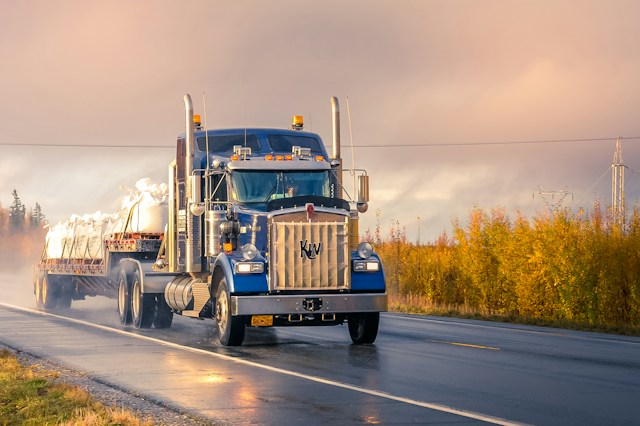
The era of autonomous cars is upon us, promising to revolutionize the transportation industry.
Technological advancements in electrification, autonomy, connectivity, and sharing, coupled with supportive public policies, are driving the push toward the mass adoption of these next-generation vehicles.
With companies such as Waymo, GM Cruise, and Tesla leading the future of transportation, autonomous technology is set to enhance transportation capabilities, efficiencies, and sustainability through autonomous driving.
In controlled logistics environments such as airports and seaports, autonomous cars are already making their mark.
Integration of self-driving trucks into logistics processes can bolster productivity and induce cost reductions throughout the supply chain.
Connected and Autonomous Vehicles (CAVs) in commercial vehicle logistics can decrease costs, increase road safety, and allow for scheduling flexibility outside of peak traffic times.
Autonomous technology is enabling advancements in the supply chain. Companies can improve just-in-time manufacturing by ensuring the availability of resources, leading to better resource planning and management.
Meanwhile, autonomous transportation is instrumental in solving last-mile delivery challenges, significantly cutting costs and minimizing delays in the delivery process.
This technology is even inviting new players into the market, encouraging continuous innovation, and reducing entry barriers for the future of transportation.
The development of autonomous transportation systems has the potential to revolutionize the way we move around cities.
With their introduction, there is a significant possibility that the need for parking facilities will be reduced by up to 70%, thus freeing up space in towns and cities.
This trend is primarily driven by the growing interest in shared mobility, particularly among younger generations, who are moving away from conventional vehicle ownership.
Urban grids could be redesigned to be narrower with the advent of CAVs, allowing for more intimate, pedestrian-friendly spaces within cities.
The introduction of CAVs will enable more public realm uses like soft landscaping due to their reduced space requirements for driving, parking, and maneuvering.
Autonomous transportation could lead to a 90% reduction in the number of cars required in urban cities, contributing to decreased congestion and increased road space.
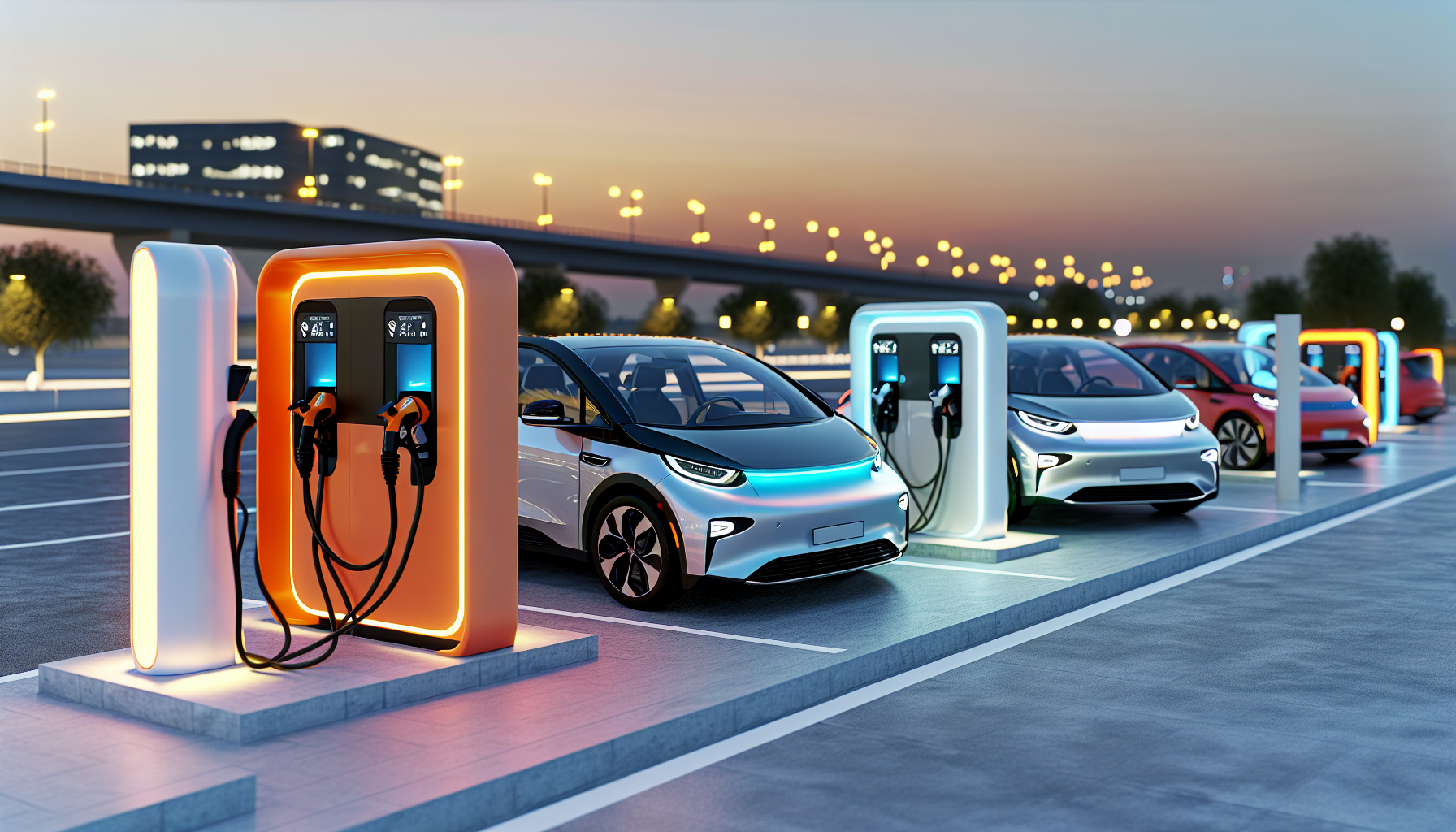
The surge of electric vehicles (EVs) is another prominent trend in the future of transportation, as they are increasingly being preferred over internal combustion engine vehicles.
From e-hailing rides and car-sharing schemes to electric scooters, EVs are the next big leap in transport.
They offer significant environmental and economic benefits, including over 70% of electrical energy conversion to power at the wheels, leading to lower emissions, reduced fuel costs, and maintenance advantages.
The transition to EVs is greatly facilitated by government policies, which support their increased widespread adoption through an array of regulations and incentives.
These efforts are bearing fruit, with EVs projected to comprise 22 percent of global automotive sales by 2030, indicating a strong upward trend in consumer adoption (source).
However, the road to electrification is not without its challenges, particularly in developing a reliable EV charging network and evolving business models in the automotive industries.
Installing electric vehicle charging stations presents considerable financial challenges, with costs ranging from $2,500 for slow chargers to $35,800 for fast chargers.
Furthermore, the progress in electric vehicle (EV) adoption is impeded due to inadequate collaboration and communication among grid operators, utility firms, and charging equipment manufacturers.
Another major challenge faced by EV customers is the reliability of charging stations, with around 60% of them facing issues leading to range anxiety.
Power companies and charging network businesses face the hurdle of ensuring that rapid chargers receive sufficient power during peak demand, while also considering maintenance costs.
These challenges underline the need for continued investment and innovation in infrastructure to support the surge of EVs.
Companies in the auto industry are adapting their business models in response to the rise of electric vehicles.
Leasing options for electric cars are becoming a strategic tool to enhance their market appeal by mitigating the initial financial hurdle of relatively high purchase prices.
Offering battery leases separately from the vehicle can help alleviate consumer concerns about the battery’s lifespan and the vehicle’s residual value.
Manufacturers are not only advancing in the technical aspects of EVs but also innovating their business models to realize sustainability goals and customer satisfaction.
This evolution is a testament to the industry’s resilience and adaptability in the face of a seismic shift in rapid technological advancements and shifting consumer preferences.
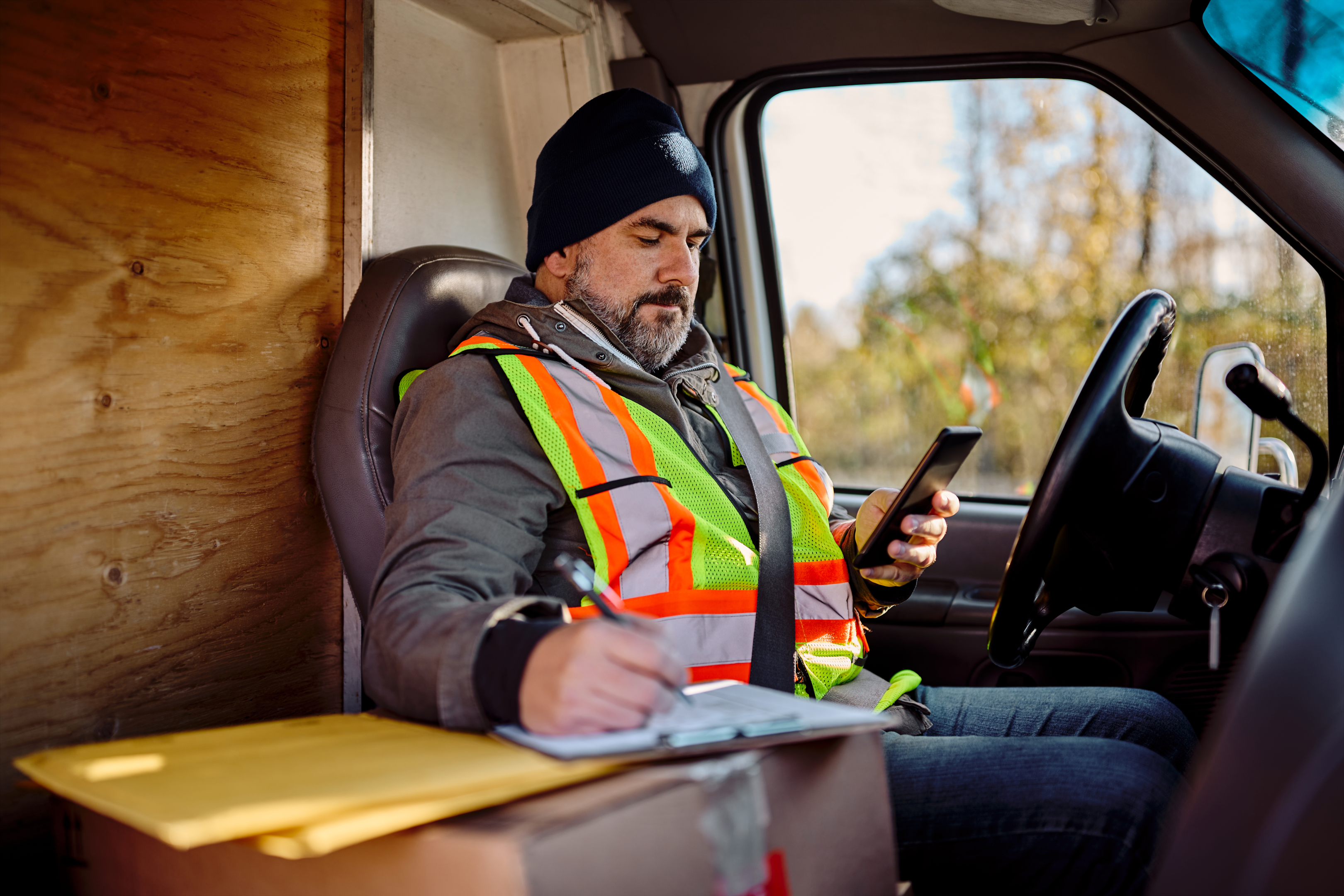
Innovation and efficiency in the transport sector are being propelled by the exciting frontier presented by the integration of Artificial Intelligence (AI) and machine learning.
Artificial intelligence is being used in transportation to monitor video surveillance. This helps in automatic traffic incident detection to minimize any disruption to traffic flow.
Computer vision systems are also being used to enhance traffic management by detecting queues, incidents, and unusual conditions for faster response times.
Furthermore, traffic accident prediction models powered by AI are being developed to enhance safety.
These models use historical data such as past accidents and police patrols to forecast the risk of accidents. In Bellevue, an AI project is being conducted that uses traffic camera footage to identify crash predictors. This, in turn, aids in accident prevention and traffic optimization.
Furthermore, machine learning enhances Transportation Management Systems, providing better predictions and improving visibility.
The integration of AI into V2X communication can potentially minimize accidents, congestion, and traffic bottlenecks.

Sustainability has emerged as a key consideration in transportation industries in response to the climate crisis.
Initiatives like the US Infrastructure Investment and Jobs Act are a testament to the commitment to stimulating innovation and establishing leadership in the decarbonization of transport.
This act mirrors a global trend towards sustainable transportation, with targeted investments designed to enhance mobility, equity, and compliance with climate goals, reflecting a comprehensive approach to modernizing infrastructure and addressing environmental challenges.
The transport and logistics sector is responsible for nearly a quarter of global carbon emissions, necessitating a move towards sustainability to reduce environmental impacts.
Accurate measurement and reporting of carbon emissions are crucial for setting decarbonization targets in line with scientific benchmarks and improving energy efficiency.
Infrastructure leaders are encouraged to integrate sustainability and net-zero climate targets in early planning stages to ensure future projects align with environmental objectives.
The transportation industries are adapting to new realities as they continue to be shaped by global trade, urbanization, and key future trends.
Urbanization trends require transportation systems to evolve, managing higher population densities through investments in new infrastructure and public transport which leads to overall enhanced urban planning.
Demographic changes dictate adjustments in transportation, necessitating solutions like improved accessibility and Mobility-as-a-Service (MaaS) to cater to the mobility needs of an aging population while considering various transport modes.
The logistics sector is integrating autonomous transportation for deliveries, driven by the growth in global trade and urban areas.
Advanced data analytics are being leveraged for asset visibility and real-time analysis, enabling transportation businesses to adapt more effectively to urban and global trade dynamics.
For instance, EMDECS fleet management system, utilizes advanced data analytics to provide fleet owners with insights into their operations, enhancing decision-making and operational efficiency.
In response to the reconfiguration of manufacturing and supply chains due to nearshoring, transport companies are rethinking their operations, infrastructure, and supply chain management.
Aiding this transition, EMDECS fleet inventory management software provides critical support by optimizing inventory levels, ensuring parts availability, and managing procurement processes efficiently.
The transportation industry is greatly affected by policy and infrastructure, which also play a significant role in promoting the adoption of new technologies.
In order to support the growth of the industry, strategic policy frameworks are crucial. They help guide the future of transportation and enable the industry to adapt to new technologies.
Some key factors that contribute to the success of the transportation industry include:
Public-private partnerships
Transparent, qualifications-based contractor selections
Trust and shared goals between governments and local partners
Expedited and streamlined transportation infrastructure projects
These factors help to create a supportive environment for the transportation industry and ensure that it can effectively adapt to new technologies and meet the needs of the future.
Government intervention has the potential to stimulate innovation in the transportation sector, complementing other initiatives like policies designed to encourage the adoption of electric vehicles.
Urban planners are rethinking city infrastructure, including repurposing parking structures into spaces for work, living, and leisure in anticipation of reduced parking demands due to the rise of Connected Autonomous Vehicles.
The transportation industry has been significantly imprinted by changing consumer expectations and the gig economy.
The gig economy is a labor market where short-term contracts and freelance work are prevalent, often facilitated through online platforms or apps, such as Uber, Lyft, and Airbnb.
As consumer expectations evolve, there is a growing demand for greater convenience, flexibility, and premium services. To meet these expectations, the industry is focusing on personalized mobility experiences and highly efficient customer service.
This shift has resulted in a significant change in the transportation industry, affecting both service delivery models and the structural design of operations.
As a result, businesses specializing in the rental of non-passenger vehicles, like delivery vans and trucks, have emerged to support the increasing demand for logistics and delivery services.
The redefining of vehicle ownership in the transportation domain to a model of universal access over individual possession indicates a shift towards subscription-based models, necessitating robust fleet management software.
Effective fleet management solutions are essential for these businesses to track vehicle usage, maintain service schedules, and ensure optimal operational efficiency.
The streamlining of the supply chain and improving logistics are greatly aided by transportation management systems (TMS) and warehouse management.
Our system, EMDECS, is revolutionizing the industry by providing scalable, innovative, and comprehensive solutions for businesses like repair shops, fleet owners, and/or owner-operators that can be tailored to meet your specific operational needs.
Transportation Management Systems are platforms that help businesses with the logistics process, including:
Planning, executing, and optimizing the movement of goods
Planning, procurement, logistics, and lifecycle management
Enhancing speed in logistics by streamlining tasks like carrier selection and shipment execution
Reducing administrative expenses
The adoption of TMS results in:
Higher customer satisfaction due to more efficient transportation planning and execution
More sales and support for business growth
Meeting the increasing expectation for on-time service with real-time updates
Significant changes are being undergone by labor markets with the rise of technological advances.
For example, our software solution EMDECS is an internet and cloud-based heavy-duty maintenance and management software that is accessible via any browser or on a mobile device via an app that no longer requires proprietary hardware and can be accessed from anywhere with an internet connection.
The World Economic Forum projected that by 2025, half of all employees globally would need reskilling as a result of increased automation and advancements in technology.
Automation enhances business productivity by assuming repetitive, mundane, or hazardous tasks, enabling employees to focus on more strategic, value-added activities.
The new job landscape due to automation sees the creation of high-skilled technical positions such as data scientists and robotics engineers.
No matter where the future of transportation takes us, one constant remains: the necessity for maintenance.
As the industry evolves with advancements like autonomous and electric vehicles, the role of maintenance adapts but remains indispensable.
BrightOrder understands this fundamental need and leverages technology to enhance maintenance practices while staying ahead of industry trends.
Through sustainable approaches such as paperless repair orders (RO) and automated inspections via our driver portals, BrightOrder exemplifies the fusion of technology with operational excellence, productivity, and environmental responsibility.
Our cloud-based fleet maintenance management software, EMDECS, is at the forefront of this evolution.
It provides comprehensive insights that empower businesses to make informed decisions, optimize maintenance schedules, and extend the lifespan of their assets.
EMDECS is a centralized ecosystem for heavy-duty repair shops, fleet owners, and owner-operators, ensuring that regardless of the advancements in transportation, the need for effective maintenance management remains fulfilled.
In conclusion, the transportation industry is at the cusp of a radical transformation powered by technological advancements, changing consumer preferences, policy shifts, and a growing focus on sustainability.
From autonomous automobiles to artificial intelligence, from the surge of EVs to the promise of Urban Air Mobility, the future of transportation is fascinating and full of promise.
As we navigate these shifting landscapes and future trends, it’s clear that those who adapt, innovate, and embrace change will be the ones who drive the future.
In the near future, transportation will be revolutionized by EV autonomous technology, high-speed rail, urban air mobility, sustainability, and data-driven solutions, promising greater efficiency, reducing waste, and improved accessibility. These advancements will contribute to a transportation revolution.
By 2030, it is anticipated that transportation for fleets and non-passenger vehicles will be transformed by advancements in shared, on-demand services, and autonomous technologies.
Fleets are expected to adopt more electric and autonomous trucks, vans, and other heavy-duty vehicles, which will be integrated into subscription-based models and telematics systems for optimized fleet management.
The shift will not only enhance operational efficiency for businesses but also offer cost-effective, sustainable solutions for freight and logistics providers.
The adoption of autonomous cars is being driven by technological advancements in electrification, autonomy, connectivity, sharing, and supportive public policies.
Autonomous transportation is enhancing productivity and leading to cost reductions throughout supply chains, making them instrumental in solving last-mile delivery challenges.
EVs provide significant environmental and economic benefits, with over 70% electrical energy conversion to power. This results in lower emissions, reduced fuel costs, and maintenance advantages.
To stay updated on BrightOrder and to learn more about the future of transportation, be sure to follow us on LinkedIn.