


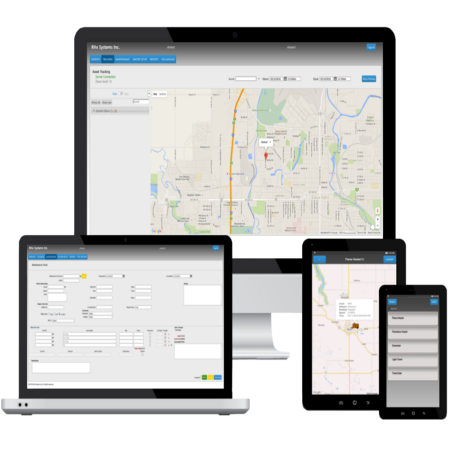
Fleet telematics is an innovative blend of telecommunications and informatics, a fusion that has evolved significantly with the advent of wireless communication technologies.
At the heart of vehicle telematics systems are key components such as GPS technology, vehicle diagnostics, and wireless data transmission.
These elements work to track and manage vehicle operations, providing an invaluable tool for efficient fleet management.
Modern vehicle telematics devices, often referred to as ‘black boxes,’ come equipped with:
GPS receivers
Engine interfaces
Input/output interfaces
SIM cards
Accelerometers
Buzzers
They are typically installed into vehicles via the OBD II or CAN-BUS port.
The real magic of fleet telematics systems is in their ability to leverage real-time data on vehicle location, behavior, and status, improving vehicle and personnel management within fleets.
Vehicle telematics combines GPS with cellular networks and Bluetooth signals to share and receive information.
This harmonious blend facilitates the transmission and reception of data from vehicles to remote servers.
Telematics systems comprise three central components: GPS tracking receivers for geolocation, specialized devices for monitoring vehicle performance, and modem/server setups for secure data communication.
Embedded within the vehicle telematics system is the sophisticated On-Board Diagnostics (OBD-II) system. This system collects comprehensive vehicle data covering elements like fuel consumption and engine diagnostics.

BrightOrder, a leader in fleet management systems and vehicle telematics providers, offers an array of vehicle telematics devices, that play a crucial role in optimizing fleet operations.
Among the wireless telematics devices offered by BrightOrder are:
Electronic Logging Devices (ELD)
GPS devices
Vehicle tracking devices equipped with geofencing capabilities.
Tool tracking
Each telematics device contributes to the comprehensive management of the fleet by ensuring compliance with government mandates in North America, enabling precise telematics vehicle tracking, promoting driver safety, and enhancing vehicle and cargo security.
With every telematics device, BrightOrder empowers businesses to tailor their fleet maintenance management strategy to their specific needs.
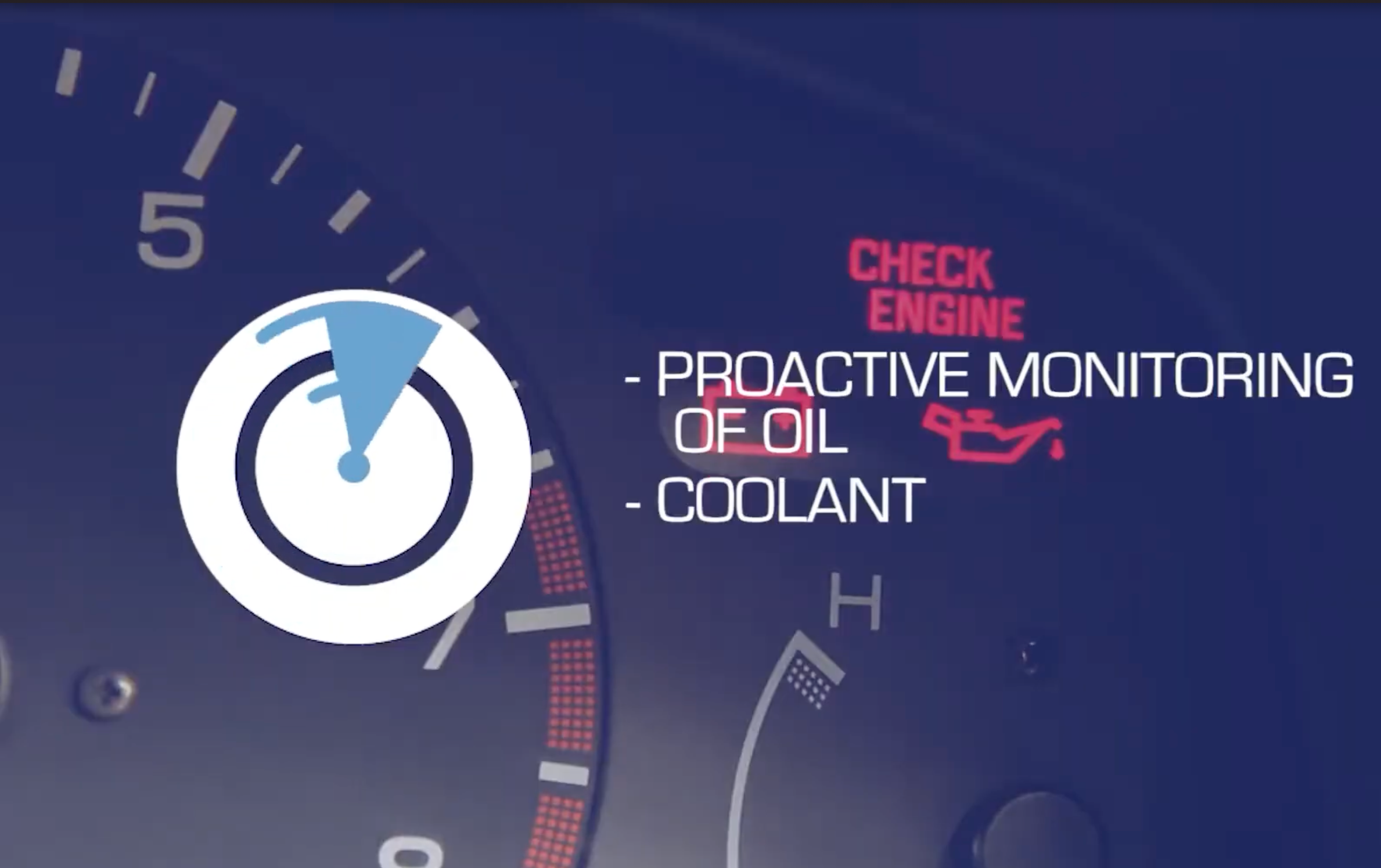
Telematics data is the lifeblood of fleet operational efficiency. It allows businesses to make informed decisions that lead to cost reductions.
Fleet managers utilize telematics to:
Analyze driver behavior
Design targeted training programs
Implement interventions that enhance performance
Maintain vehicle uptime
The scope of telematics data is vast, encompassing elements such as:
Vehicle speed
Trip distance
Fuel usage
This wealth of data forms the bedrock of optimizing fleet operations and the integration of video telematics into fleet management software has revolutionized tracking capabilities, adding a visual context to on-road events, and subsequently enhancing safety and efficiencies.
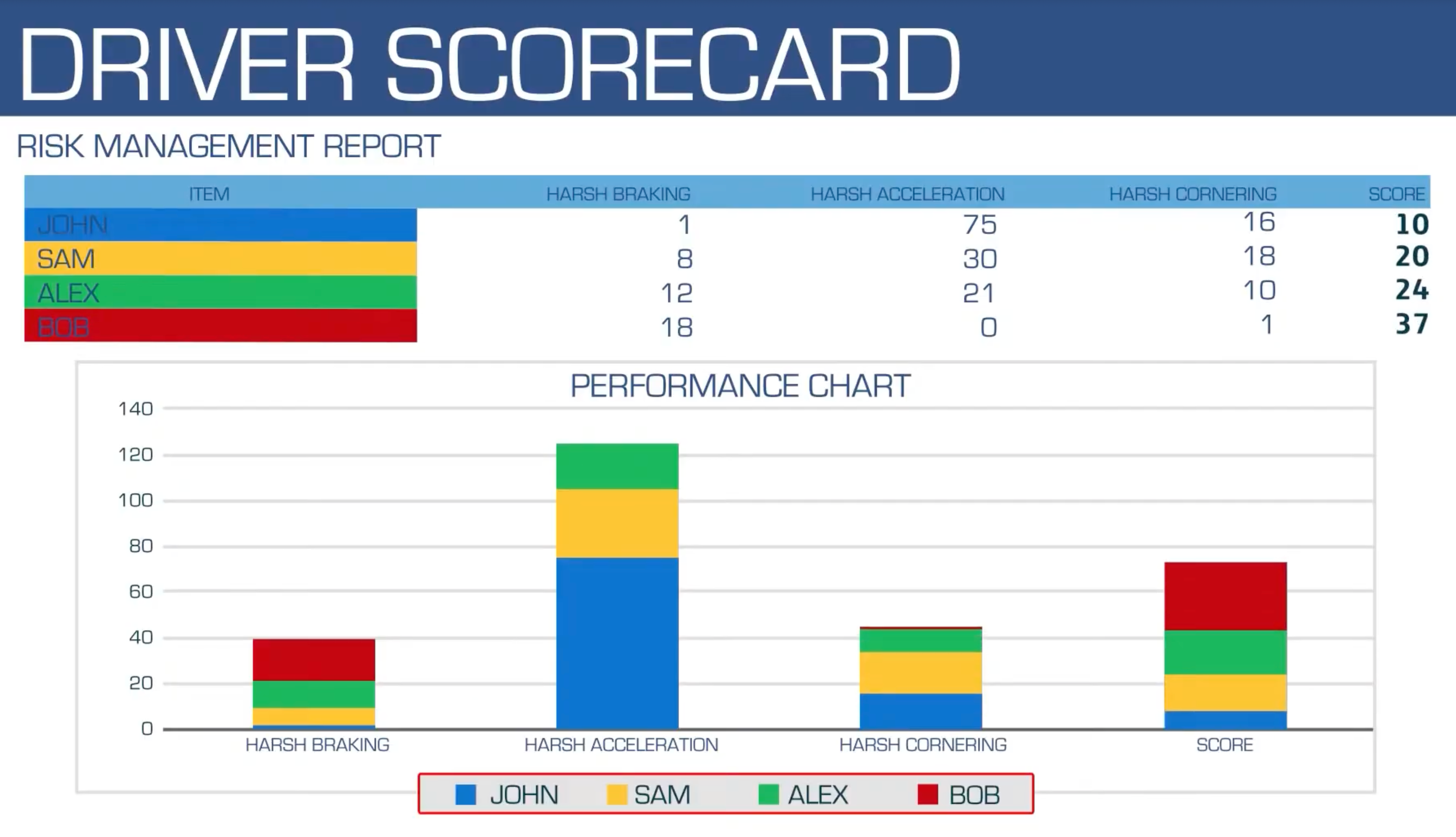
One of telematics data’s most transformative applications is analyzing driver behavior.
Fleet managers can now monitor driver behavior for events such as harsh braking, driver alertness, and excessive acceleration, identifying and correcting unwanted driving habits.
Real-time alerts for instances like harsh braking contribute to immediate coaching opportunities and behavioral correction.
The integration of machine vision and facial recognition aids in detecting and mitigating distracted driving behaviors through advanced driver assistance systems.
Configurable coaching technologies allow for personalized driver performance feedback, optimizing coaching processes according to specific fleet needs.
Telematics systems support fleets in adhering to established safety standards and practices.

Fuel is one of the biggest operational costs for any fleet.
Telematics assist fleet managers in pinpointing sources of wastage, such as:
fuel leakage
excessive idling
inefficient routes
aggressive driving
This allows them to address these issues and improve fuel economy promptly by pinpointing instances of excessive idling, inefficient routes, and aggressive driving, telematics support in fostering fuel efficiency.
This results in improved fuel efficiency and reduced operational costs and as fuel prices continue to fluctuate, the ability to manage and reduce fuel consumption becomes a vital asset.

One of the biggest challenges in managing a fleet is vehicle maintenance.
Telematics supports vehicle tracking, proactive vehicle maintenance scheduling, and leveraging vehicle diagnostics to predict and address potential issues before they result in breakdowns.
Maintenance can be automatically scheduled based on telematics data such as odometer readings, allowing for timely planning of repairs when issues are detected.
Vehicle telematics systems improve the management of vehicle service needs by enabling regular vehicle maintenance planning,
Additionally, fleet managers can use fleet maintenance management software like EMDECS that offer warranty recovery, PM scheduling and service records tracking.
Fleet management software further supports vehicle maintenance with customized pre and post-trip inspection checklists, ensuring each vehicle is thoroughly reviewed according to its specific maintenance requirements.
By proactively addressing potential issues with telematics and a comprehensive fleet management software, fleet vehicles can avoid costly repairs and downtime, ensuring maximum vehicle availability.

Fleet telematics brings many benefits to the table, directly contributing to business growth. One of the most noteworthy benefits of telematics is the remarkable cost savings.
Telematics device aids in identifying areas of waste in fuel consumption and allow fleet managers to plan more efficient routes, leading to decreased fuel costs.
Safety is another key advantage of telematics systems as they offer real-time data and insights on vehicle location and driver habits, as well as automatic crash notifications and emergency response features, all enhancing safety.
Insurance companies leverage telematics information to accurately assess driver risk levels and modify insurance premiums, providing financial benefits and improved risk management for fleet operations.
According to a 2020 survey by Nationwide, 65% of consumers expressed interest in installing telematics if it led to cost savings.
Geofencing technology brings cost efficiency to fleet businesses, specifically saving time by automating toll payment processing.
Additionally, telematics systems enable managers to monitor vehicle location, assess at-fault incidents, and calculate penalty points for a more controlled management approach.
Compliance with regulations and safety standards is a top priority for fleet managers.
Telematics systems can automatically record data and generate reports to maintain compliance with regulations related to driver hours, maintenance, and emissions.
Telematics systems can enhance driver safety through features such as:
Collision detection
Emergency alert buttons
Advanced Driver-Assistance Systems (ADAS) for reducing risky driving behaviors
Real-time alerts and insights on exceptions like harsh braking and rapid acceleration
These features are not only beneficial for safety but also help reduce costs and improve overall fleet strategy.

Aside from a telematics system, adding a fleet maintenance solution to your management strategy offers a comprehensive fleet solution.
Access:
Real-time vehicle status updates
Instant communication with drivers via the driver portal, which allows for the seamless relay of vehicle issues complemented by visual evidence such as photographs
Enhanced productivity and PM scheduling with EMDECS’ automated systems
Technician timesheets
and more
With the support of a vehicle and telematics provider, along with a robust fleet management software, telematics systems can significantly enhance the management of fleets and drive improved outcomes.

BrightOrder is not just a telematics provider, it also offers scalable fleet management software suitable for both small and large fleet operations.
EMDECS features are equally beneficial for small repair shops and enterprise-level customers like the largest LTL fleet in the world.
Customization in EMDECS includes specialized user portals, customizable dashboards, and reports that can be tailored to various roles within managing the fleet, accommodating different fleet operational needs.
The software’s customizable solutions extend across diverse industries, demonstrating its versatility from serving heavy-duty repair shops to public transportation systems.
As businesses expand, EMDECS progresses alongside them by evolving its solutions for maintenance scheduling, inventory control, and real-time tracking to meet the changing requirements of a company’s fleet.
The platform’s adaptability to any number of technician and administrator licenses further highlights its scalability.

Data reporting and analysis capabilities are the cornerstone of any effective fleet strategy.
BrightOrder’s EMDECS offers over 100 customizable reports, providing fleet managers with valuable insights into key performance indicators and operational analysis. Some of the features of EMDECS include:
Detailed analysis and reporting capabilities
Customization of reports
Tracking of technician hours
Management of inventory
These features enable fleet managers to make informed decisions and optimize their operations, including the management of fleet vehicles.
Telematics software like EMDECS processes and translates data into actionable insights through visualization, reporting, and analysis.
The application of data analytics and machine learning in EMDECS enhances fleet safety benchmarking.
BrightOrder’s market distinction arises from its ability to scale, deliver exceptional customer service, and offer comprehensive Data & Reporting/Analysis capabilities.
In conclusion, telematics systems have the potential to revolutionize fleet management.
From optimizing driver behavior and fuel consumption to proactive maintenance scheduling and ensuring compliance, the benefits of integrating a telematics solution into your fleet managing strategy are manifold.
The future of fleet management is here and is powered by telematics.
Pair your fleet telematics system with a comprehensive fleet management software to gain a holistic view of your fleet operations; start streamlining your fleet with BrightOrder today for unparalleled efficiency and control.
Telematics is a technology that combines GPS (Global Positioning System), vehicle diagnostics, and wireless data to track and manage vehicle operations, which will enhance safety and efficiency.
Telematics enhances managing the fleet by providing real-time data on vehicle location, behavior, and status, allowing for improved vehicle and personnel management. This helps in optimizing routes, reducing fuel consumption, and improving overall fleet efficiency.
Telematics contributes to cost-effective fleet operations by identifying wastage, planning efficient routes, ensuring compliance and safety, and streamlining operations, ultimately leading to cost savings.
Wireless communication technologies play a crucial role in telematics systems by enabling real-time data transmission and remote communication between vehicles and centralized systems.
Some anticipated technological trends in telematics include the integration of Internet of Things devices, the development of autonomous vehicle technology, and the use of advanced data analytics and machine learning algorithms. Embracing these trends can help businesses stay competitive in the evolving telematics landscape.