


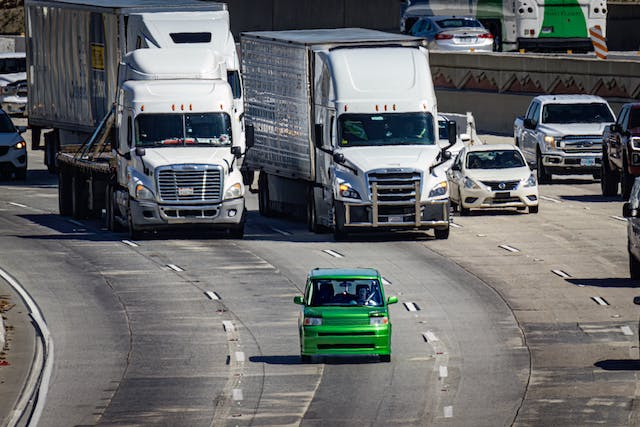
Autonomous vehicles, once the stuff of science fiction, are now a fast-approaching reality. The introduction of autonomous fleets promises to revolutionize fleet management by significantly enhancing efficiency, reducing costs, and improving safety.
However, challenges such as technological barriers, regulatory hurdles, and public perception all need to be navigated.
But despite these obstacles, the impact of autonomous fleets is set to redefine the future of fleet operations.
The technological advancements in autonomous technology have been nothing short of revolutionary.
Between artificial intelligence algorithms to photorealistic simulation systems, the progress made has opened up new avenues for the transportation industry.
Autonomous technology enables proactive vehicle upkeep, leading to reduced downtime, increased efficiency, and lower expenses associated with fleet ownership.
Technological barriers like the need for communication between vehicles and infrastructure and regulatory hurdles, including compliance with safety standards and data collection pose a considerable challenge.
The public perception of autonomous vehicles might pose the most significant challenge as safety is a critical concern for the public, and negative perceptions of the technology can hinder its adoption.
The impact of AVs extends beyond just operational efficiency and cost savings as it has the potential to significantly reduce labor costs, with estimated savings amounting to billions of dollars within the trucking industry.
Safety offered by AVs can make a significant impact and by reducing human error, optimizing routes, and improving fuel efficiency, autonomous technology can contribute significantly to enhanced safety in fleet management.
While the potential benefits of AVs are immense, integrating them into existing fleet management systems can be a complex process. The challenges include:
Procuring vehicles and ensuring compatibility with fleet management software
Managing the costs associated with acquiring and maintaining AVs
Navigating the regulatory landscape and addressing legal challenges related to liability
However, with the right strategies and robust fleet management software, these challenges can be effectively managed in the fleet management industry.
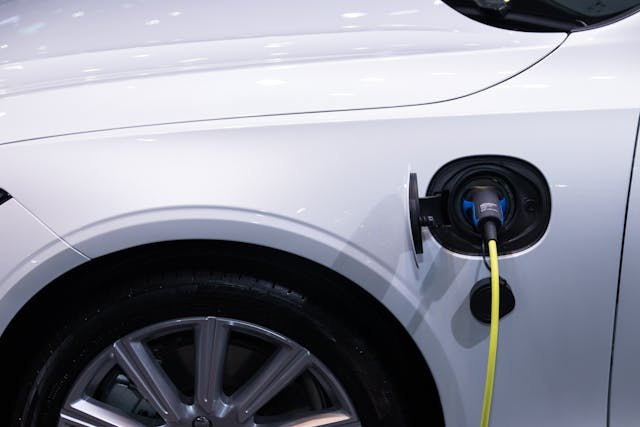
In tandem with the rise of autonomous vehicles, another trend is reshaping the future of the fleet industry – the surge of electric vehicles (EVs).
Though the integration of EVs in fleets is in its early phases, the trend is gaining momentum, driven by environmental concerns and long-term cost savings.
To achieve widespread adoption of EVs in fleets, issues like developing sufficient charging locations and addressing range concerns must be tackled.
One of the significant hurdles in the adoption of electric vehicles is the development of adequate charging infrastructure.
Current challenges include the high cost of installation, communication issues between the grid and charge station companies, and compatibility of chargers.
Fleet managers can also strategize for electric vehicle charging infrastructure by implementing smart charging systems and strategically positioning charging stations along efficient routes.
While EVs offer numerous environmental benefits, the cost factor cannot be overlooked.
The cost is influenced by various factors such as:
The initial sticker price
Maintenance and repair costs
Battery size and range
Potential government tax incentives
However, in the long term, EVs can incur about half the maintenance cost of traditional vehicles and contribute significantly to environmental sustainability by reducing greenhouse gas emissions and fuel consumption.

While autonomous and electric vehicles are transforming the face of fleets, another revolution is taking place behind the scenes.
Fleet telematics and real-time data insights are transforming fleets, providing GPS vehicle tracking, fuel management, and data analytics for proactive maintenance.
The integration of this technology equips fleet managers with valuable insights, enabling them to make data-driven decisions for optimizing operations and boosting efficiency.
BrightOrder offers a suite of advanced telematics devices, including Electronic Logging Devices (ELDs), GPS Devices, Dash Cameras, External Truck Cameras, and Tracking Devices with Geofencing capabilities.

GPS tracking has emerged as a game-changer in the fleet industry, offering the following benefits:
Real-time vehicle location tracking
Efficient route Optimization
Increase fuel efficiency
Optimized fleet operations
Vehicle Location
With the ability to monitor vehicle performance and driver behavior, GPS tracking increases operational efficiency and ensures heightened driver safety.
Another key aspect of modern fleet management is using data analytics for proactive and predictive maintenance.
By analyzing data, fleet managers can make data-driven decision making and can identify potential maintenance issues before they occur, enabling proactive maintenance and preventing financial losses.
This extends the lifespan of fleet vehicles and improves overall fleet performance by promoting optimal operations, minimizing the risk of unexpected downtime, and making informed decisions.
EMDECS software streamlines fleet maintenance by establishing preventative schedules that help prevent roadside failures, incorporating digital inspection forms, and initiating repair orders.

As remote work becomes increasingly commonplace, remote fleet management is keeping pace.
Remote fleet operations involve the use of technology to monitor fleet assets, maintain communication with drivers, and oversee operations from a distance.
Not only does this optimize operations, but it also provides deeper insights and improved control over fuel consumption and vehicle performance.
EMDECS is a web-based software solution for heavy-duty fleet maintenance and management that’s accessible from any internet-enabled device.
This cloud-based system eliminates the need for specialized hardware, providing flexibility for managing your fleet remotely from any location with internet access, making it an ideal tool for overseeing remote fleet operations.
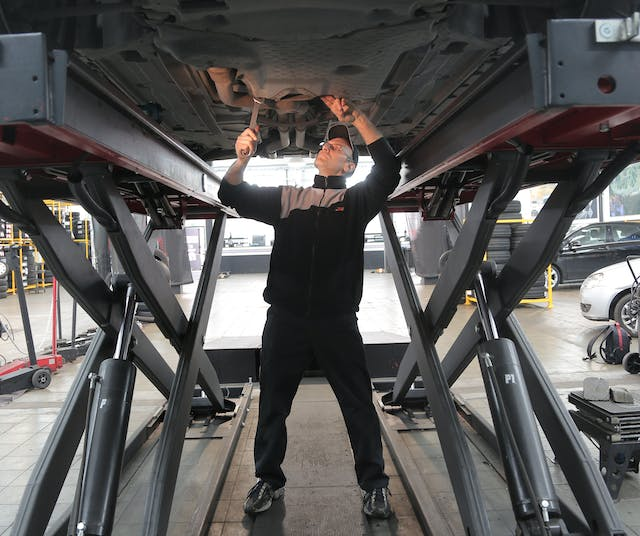
By enabling remote engine performance monitoring and employing suitable technology, fleet management can be optimized with better control over fleet performance. Fleet managers can start preparing for fleet repairs before the vehicle is even back in the shop by utilizing predictive analytics and real-time diagnostics.
These tools can alert them to potential issues, allowing for the pre-ordering of necessary parts and scheduling of maintenance.
This, coupled with the ability to monitor vehicle repair history, parts, and dates, ensures optimal fleet operations and reduces the risk of unscheduled downtime.
Dynamic routing is another aspect of remote fleet operations that enhances customer satisfaction.
By offering precise estimated arrival times and minimizing wait times, routing enhances the overall customer experience and ensures timely deliveries even in unforeseen circumstances.
Route optimization plays a crucial role in achieving these benefits.
With sophisticated algorithms and real-time data, dynamic routing enables fleet managers to generate and modify routes according to specific orders and traffic conditions.

Green fleet management practices like reducing carbon emissions and fuel usage should be the proactive approach that companies need to take for a greener future.
In the quest for operational efficiency and cost savings, the significance of environmental stewardship can’t be understated.
Green practices in fleet management are increasingly becoming a priority, with a focus on utilizing alternative fuels and streamlining operations to minimize environmental impact.
EMDECS supports these eco-friendly initiatives through paperless repair orders (ROs) and customizable electronic reports, enhancing sustainability in fleet operations.
Fuels such as biodiesel, natural gas, and hydrogen fuel cells can greatly enhance fleet efficiency.
By shifting away from traditional petroleum fuels and embracing alternative fuels, fleets can achieve greater sustainability and enjoy cost savings. This transition not only supports environmental goals but also aligns with the economic interests of sustainable fleet management.
However, fleet managers must also consider the additional economic costs and compatibility issues with current infrastructure.
Sustainability extends beyond just adopting green technologies; it should be ingrained in the very culture of fleet management.
By promoting responsible resource and fuel usage and fostering practices that contribute to long-term economic and environmental well-being, fleet managers can truly drive sustainability in their operations.
Vehicle maintenance is also being transformed thanks to the advent of Augmented Reality (AR) technology. AR technology is being used for:
Real-time maintenance instructions
Supporting technicians
Improving efficiency
Reducing downtime in the field
With AR, the future of vehicle maintenance looks innovative, as it ushers in a new dimension of interactive and efficient servicing.
Automation and artificial intelligence (AI) is causing a paradigm shift in fleet management, introducing a new era of human-machine collaboration.
As the role of humans evolves to work alongside machines, AI, and automation, this collaboration is leading to more efficient decision-making and operational excellence.

Alongside these technological advancements, all-in-one fleet management and maintenance software, like EMDECS, are also gaining prominence in fleet management solutions.
Tailored to meet specific operational needs and analyzing data, EMDECS offers features such as real-time tracking, paperless repair orders, and dedicated user portals, like the technician and driver defect portals, for improved decision-making and inventory management.
The real-time tracking feature of EMDECS provides fleet managers with live updates on vehicle repair status, inventory levels, and parts usage across multiple locations.
This enables more efficient fleet management and immediate response to any issues that arise, ensuring a smoother operation.
EMDECS simplifies the maintenance process with its paperless repair order system.
One of our clients shared that after switching from their paper system to EMDECS, they saved approximately 30 hours per week on administrative and manual data entry tasks!
This reduces the environmental impact by cutting down on paper usage and also speeds up the repair process, ensuring that vehicles spend less time in the shop and more time on the road.
EMDECS fleet data and reporting analysis play a critical role in providing actionable insights and enhancing decision-making in fleet management.
Providing a range of reporting features, there are over 100+ different reports under over a dozen report categories, many of which are customizable; analyzing fleet data aids in decision-making for fleet management.
EMDECS provides comprehensive insights that empower businesses to make informed decisions, optimize maintenance schedules, and maximize the lifespan of their assets.
EMDECS’s dedicated user portals facilitate better communication between fleet managers, technicians, and drivers.
These portals serve as a centralized platform for all stakeholders to access important information, and fleet data and collaborate effectively.
With real-time inventory tracking, EMDECS ensures that fleet managers have all the information they need at their fingertips.

From autonomous vehicles to electric fleets, and telematics to remote operations, the world of fleet management solutions is undergoing a significant transformation.
As fleet managers navigate this evolving landscape, embracing these game-changing factors will be key to staying ahead of the curve.
Request a demo to see how EMDECS can enhance your operations and how we are pioneering the future of fleet management with our sustainable and innovative strategies designed to keep your fleet ahead of the curve.
The future of the fleet is focused on leveraging technology, embracing alternative fuels, and optimizing routes to reduce costs, and carbon footprint, and ensure optimal performance.
Embracing advancements like predictive maintenance and fleet electrification will help stay ahead of the curve.
Technology is changing fleet management by providing real-time updates on vehicle status, enabling informed decision-making and quick responses to situations that arise.
Fleet management can be a rewarding career because it involves managing valuable assets in a dynamic environment, offering fresh challenges and responsibilities.
With a stable rating and a majority of employees recommending it, it seems like a good job option.
Using autonomous vehicles in fleet management can improve efficiency, reduce costs, optimize routes and driving patterns, and increase fuel efficiency, leading to significant overall savings and proactive management.
To stay updated on BrightOrder and the future of fleet management, be sure to follow us on LinkedIn.