


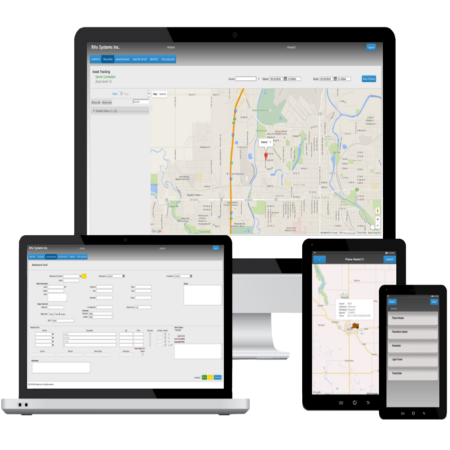
Fleet management software encompasses numerous processes, enabling organizations to:
Access inventory, asset, and fleet tracking information throughout their lifecycle
Ensure smooth operation of vehicles
Access maintenance tracking
Oversee organizational processes for vehicle purchasing and retiring
Additionally, it enables efficient oversight and control of these valuable resources and integrates various systems and technologies, enabling fleet managers to manage their operations more effectively.
Fleet management encompasses more than just vehicle and asset oversight; it includes critical aspects such as:
Compliance with regulations, ensuring that all fleet operations conform to legal standards, such as those outlined in the driver vehicle inspection report.
Operational efficiency, which focuses on streamlining productivity and reducing operational costs.
Environmental stewardship, adopting measures to decrease the fleet’s ecological footprint and promote sustainability.

Fleet management programs are absolutely vital for maximizing operational efficiency, with vehicle tracking and maintenance management serving as their cornerstone.
EMDECS by BrightOrder is an unparalleled proprietary fleet management software solution that delivers a diverse array of features such as Inventory and Maintenance Management and Data Analytics.
A comprehensive fleet management program like EMDECS diligently oversees day-to-day business operations and optimizes vehicle performance while relentlessly pursuing strategic efficiency improvements.
EMDECS, as an all-encompassing fleet management strategy, uncompromisingly ensures regulatory compliance, upholds safety standards, and implements rigorous efficiency measures.

EMDECS fleet management software enables inventory tracking, ranging from inventory levels to parts costs and ordering.
This means you can keep a close eye on your inventory, ensuring that the necessary parts and resources are always available when needed.
But tracking is not the only advantage as the system can auto-replenish your stock with custom reports and alerts.
You can set your parameters for alerts and reports, thus allowing you to manage your inventory effectively and avoid unexpected shortages.

Fleet maintenance management is a crucial aspect of any fleet management program. Scheduling regular preventive repairs and conducting routine inspections are essential for reducing downtime and prolonging the life of fleet vehicles.
EMDECS provides preventive scheduled maintenance, which includes monitoring the fleet’s health and establishing routine maintenance schedules to keep fleet vehicles in optimal condition.
Streamlined maintenance features such as maintenance reminders, real-time malfunction alerts, and preventive maintenance scheduling help in creating predictive maintenance schedules, thus minimizing unexpected vehicle downtime.
One of the standout features of EMDECS’ Fleet management software is its ability to adhere to prevent unexpected downtime by monitoring maintenance costs and repair turnover rates.
Maintenance management involves the coordination and execution of various maintenance tasks to keep vehicles operating efficiently and by enabling fleet managers to monitor vehicle performance and maintenance needs, such as mileage tracking, tire wear, and oil changes, the service life of vehicles can be significantly extended.
Data analytics and reporting features offered by EMDECS’ fleet management software pave the way for endless possibilities.
You can set parameters to create custom reports for your fleet needs and tailor your reports to focus on the specific areas you’re interested in, providing you with the insights you need to drive your fleet’s efficiency and performance.
With access to real-time information, data-driven decision-making enables the review of data pertaining to:
Inventory
Repair costs
Labor costs
Vehicle Maintenance
This gives you a comprehensive overview of your operations, allowing you to identify areas for improvement and make informed decisions.
Incorporating fleet telematics technology into your fleet management strategy can markedly boost fleet performance through:
Vehicle tracking
Regulatory compliance
Operational optimization
Fuel management
Route optimization
Enhance driver safety
This advanced technology brings a new level of precision and efficiency to the fleet management platform.
When selecting an effective telematic system, evaluation of features such as GPS tracking, HOS compliance, route performance, maintenance, driver safety, and fuel management is key.
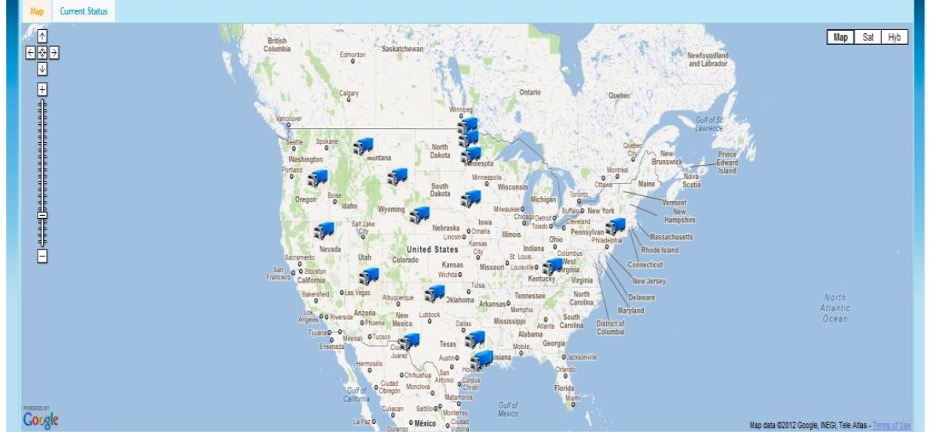
Real-time vehicle tracking and monitoring through telematics offers several benefits, including:
Dynamic route optimization
Real-time fuel monitoring
Enhanced operational efficiency through immediate data analytics
Precision location mapping with advanced GPS tracking
Customizable alerts for improved operational efficiency
Heightened customer satisfaction
Telematics systems gather data including metrics on vehicle location, fuel usage, maintenance records, and driver behavior, all essential for effective fleet management decision-making.
Small businesses can gain substantial advantages from telematics tools. These tools can assist in managing fuel, providing valuable analytics for recruitment, and identifying irregularities such as leaks or theft. As a result, small businesses can effectively manage their fuel usage and lower fuel costs.
Telematics offers several benefits for fleet managers, including:
Alerting fleet managers to speeding, excessive idling, and unauthorized vehicle use, which helps reduce fuel expenses
Optimizing maintenance schedules and driver behaviors, leading to reduced labor costs
Ensuring adherence to regulatory compliance, such as Hours of Service rules, to prevent penalties and maintain safe operations.

Fleet management systems should exhibit adaptability and flexibility to accommodate businesses of varying sizes and needs.
EMDECS is capable of scaling to accommodate any fleet size, proven by its implementation with the largest LTL fleet in North America and its ability to scale to any number of technicians and administrators licenses.
Customization is another key aspect of a good fleet management solution.
Options in EMDECS include:
Customizable dashboards
Data analysis tools
Alerts
User-defined fields for assets
The ability to adjust workflows
These features contribute to an adaptable fleet management experience.
EMDECS offers the following features:
Robust integration through the use of APIs, allowing it to seamlessly blend with other business software solutions and provide a more efficient fleet management system
Advanced User Interface with personalized dashboard and reporting tools that automate report scheduling and present operational data
Accessible and relevant data insights that empower users to make informed decisions

For any business, maximizing the return on investment (ROI) with fleet management software is a critical consideration. To measure the ROI for fleet management software, managers should track:
Labor savings
Improved asset utilization
Decreased fuel consumption
Overall productivity enhancements.
Calculating the ROI for fleet management software involves evaluating the total gains from its usage against the accumulated expenses from software purchase, setup, ongoing maintenance, staff training, and policy revisions.
The formula for calculating ROI is: ROI = (Investment Gains – Investment Costs) / Investment Costs.
Fleet management software enhances efficiency and cost-effectiveness by offering real-time visibility of the fleet, reducing fuel expenses, and lowering maintenance costs.
A fleet management tool, provides access to various life cycle cost models, simplifying the ROI calculation for fleet data through its fleet management app.

In the contemporary data-driven world, security holds paramount importance.
This is especially true in fleet management, which handles sensitive vehicle, driver, and operational information.
The shift towards 65% cloud-based fleet management services in 2022 underscores the heightened need for effective cyber threat protection.
Best practices for securing data include:
Encryption
Access control measures
Regular data backups
Employee training and awareness
It is also crucial that fleet management software adheres to data protection laws and industry standards, like ISO 27001, to ensure information security and maintain trust.

The task of choosing the best fleet management software can appear daunting.
A top-tier fleet management software should have valuable core features that can present in-depth reports to highlight trends and areas for operational optimization.
For fleet management software, seamless integration with existing systems is paramount, facilitating a more cohesive and efficient workflow.
The ideal fleet management software should feature a user-friendly interface, facilitating ease of use and adoption by management and staff.
Moreover, ongoing updates and enhancements in fleet management software guarantee that businesses can utilize new features for maintaining an edge in efficiency and fleet management software cost management, making fleet management software work effectively for them.
EMDECS offers a range of features, including paperless repair orders with detailed technician hours and parts history, an integrated accounting module, tire management, and capabilities to manage rentals and leasing.
This software enables the automated generation of electronic invoices from repair orders and supports efficient warranty campaign management.
Customized reporting and analysis within EMDECS can be automatically scheduled and sent, providing valuable insights into driver performance, invoicing, parts usage, and other operational metrics.
EMDECS also provides user-specific portals, including an admin portal for comprehensive access, a Driver Defect Portal for speedy defect resolution, and customer access to view invoices and maintenance history. This allows for role-based data access and operational customization.
In conclusion, fleet management is a complex yet rewarding task.
By employing a comprehensive fleet management program and leveraging advanced technologies like telematics, businesses can optimize their operations, enhance their efficiency, and maximize their ROI.
As we’ve seen, choosing the right fleet management software is crucial, and solutions such as EMDECS can provide a scalable and customizable fleet management solution that caters to various fleet sizes and requirements.
Ready to streamline your fleet operations with the cutting-edge capabilities of EMDECS?
Don’t miss out on the opportunity to witness firsthand how our fleet management software can transform your business.
Book a free demo with EMDECS today and take the first step toward operational excellence!
Fleet management involves overseeing all information associated with vehicles and assets, integrating systems and technologies, managing drivers, ensuring regulatory compliance, and enhancing operational efficiency.
The core components of a fleet management program are inventory management, maintenance management, and data analytics, forming the foundation of a comprehensive fleet manager system.
Telematics technology enhances operations by offering GPS vehicle tracking, ensuring regulatory compliance, optimizing operations, and managing fuel consumption effectively.
This addition can significantly improve fleet performance.
Small businesses can benefit from fleet management tools by gaining real-time monitoring of fuel levels, fleet tracking, insightful analytics for decision-making, detection of irregularities like leaks or theft, and reducing fuel expenses.
Additionally, these tools can optimize maintenance schedules and driver behaviors, leading to reduced labor costs.
Consider the core features, integration capabilities, user-friendliness, and update frequency of fleet management software before making a decision. These factors will ensure a seamless and effective implementation for your business.
To stay updated on BrightOrder, and how to choose a fleet management program be sure to follow us on LinkedIn.